
Our Blog

A misfire in a 2018 Audi Q7 can sometimes point to possible internal engine problems, which can be linked to oil consumption or cylinder performance issues, rather than just a mechanical failure. This is especially true if you see a low oil warning light every few thousand miles or between oil changes. After servicing hundreds of Audi Q7s in Louisville, we found that symptoms like worn piston rings, valve seal leaks, and carbon buildup can indicate serious internal engine failure. Our technicians conducted detailed diagnostics and determined that an engine replacement was necessary to restore optimal performance. Issue: Misfiring and low oil warning Problem: Significant internal engine failure Solution: Engine replacement recommended Location: GermanTech MotorWorks, Louisville, KY Have You Noticed These Symptoms in Your Audi? If you're experiencing misfiring in your 2018 Audi Q7 , especially on two cylinders, along with a frequent low oil light, these are critical signs that something is wrong. Recognizing these indicators early can help you avoid more significant problems down the road. Systematic Analysis of Audi Q7 Engine Diagnostics We performed Level 1 Initial Diagnostics / Testing to assess the vehicle's condition. This systematic approach involves checking various engine parameters and conducting tests to pinpoint the source of the misfires and oil consumption. Our findings revealed that the engine was indeed in need of replacement due to significant internal failures. this specific Cause of Misfires Misfires can occur due to several reasons, including: Worn Piston Rings: These can lead to poor compression and allow oil to enter the combustion chamber. Valve Seal Leaks: Damaged seals can cause oil to leak into the cylinders, resulting in misfires and increased oil consumption. Carbon Buildup: Accumulation of carbon deposits can affect combustion efficiency and lead to misfiring. Diagnostic Steps for 2018 Audi Q7: Engine Replacement To address the significant internal engine failure in the 2018 Audi Q7, our technician followed a systematic approach. We began with a thorough diagnostic assessment to confirm the need for an engine replacement. This involved using advanced diagnostic tools to evaluate engine performance and identify the extent of the internal damage. When performing a diagnostic scan of the vehicle, our technician determined that cylinder #3 and #4 had active misfires, as well as a present intake air leak fault. The next leading signs of internal engine failures presented themselves when the spark plug from cylinder #4 was removed, only to find it was black with soot on the tip, which is evidence of burning oil. Following spark plug removal, our technician used a borescope to inspect the internals of the engine. Upon further inspection, the borescope revealed evidence of an entire missing section on the intake valve. Often times, when internal components of an engine are found to be missing, they have already broken down into damaging metal fragments that are dispersed throughout the engine during normal run time, usually causing catastrophic damage. The combination of factors and discoveries found during the diagnostic procedures lead us to the unfortunate recommendation of complete engine replacement. What should I do if my Audi Q7 is misfiring and burning oil? What should I do if my Audi Q7 is misfiring? If your Audi Q7 is misfiring, it's essential to have it inspected immediately. Misfiring can indicate serious internal engine issues, such as worn piston rings or valve seal leaks, which could lead to further damage if not addressed promptly. What should I do if my low oil light comes on every 1,000 miles? If your low oil light appears often in between oil services, you should check your oil levels and have your vehicle inspected as soon as possible. This recurring issue may signal excessive oil consumption or leaks, which can lead to significant engine damage if left unresolved. Conclusion Experiencing a misfire and low oil warning in your Audi Q7 can be concerning, but understanding the underlying issues is crucial for effective resolution. Our diagnostic steps confirmed the need for an engine replacement, a situation that, while not common, can occur in modern vehicles. For any further assistance or to schedule a diagnostic, please contact us at Service@GermanTechMW.com or call us at 502-493-4050 . Don't Wait! Get Your Engine Diagnostics Today in Louisville If you’re experiencing issues with your Audi Q7, don’t hesitate! At GermanTech MotorWorks, we’re ready to provide you with immediate engine repair services in Louisville. Call us now at 502-493-4050 for assistance and get back on the road safely. Our skilled technicians are here to help you today!
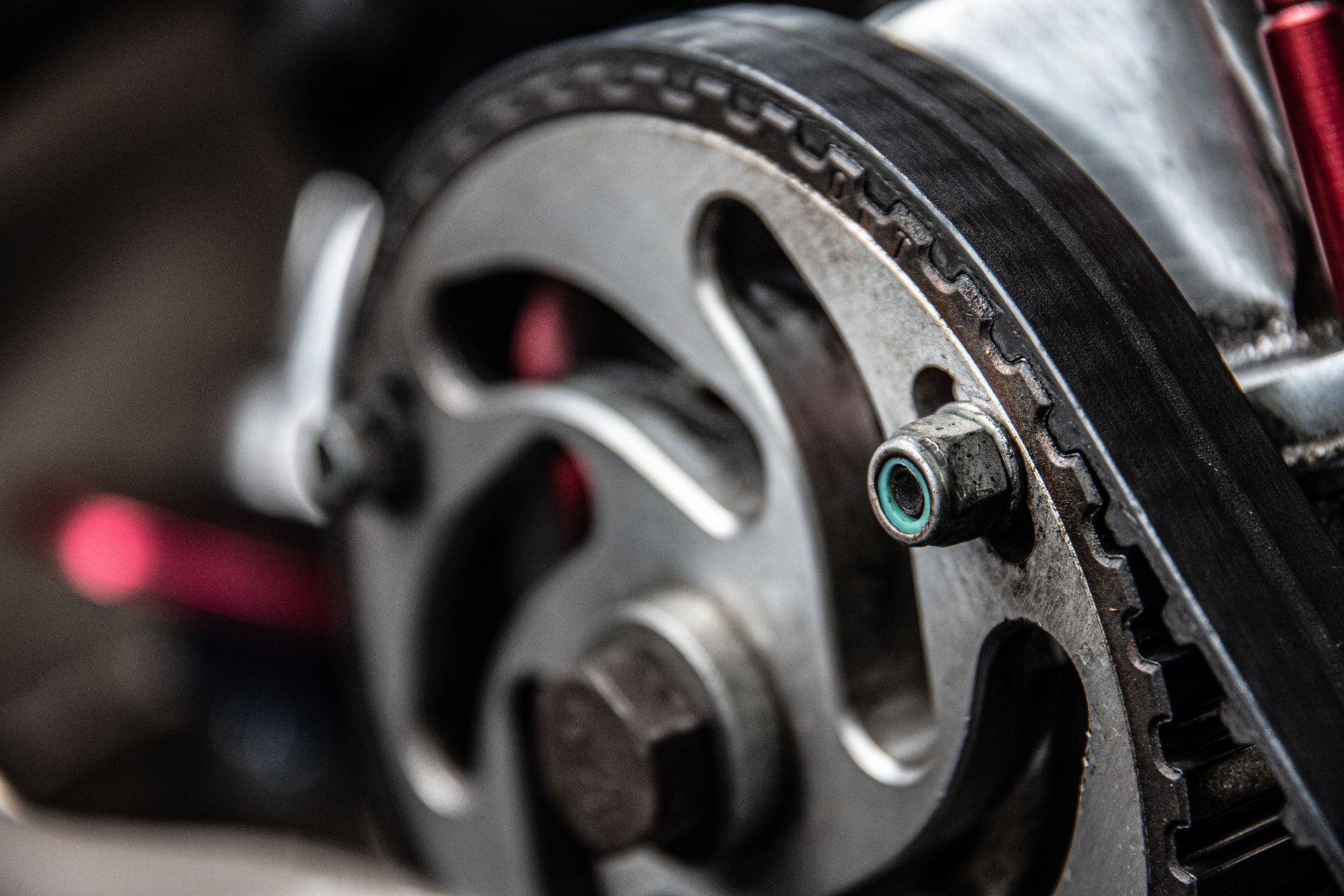
Expert belts and hoses repair by GermanTech MotorWorks in Louisville, KY. Enhance your car's performance with our specialized services. Call us today!
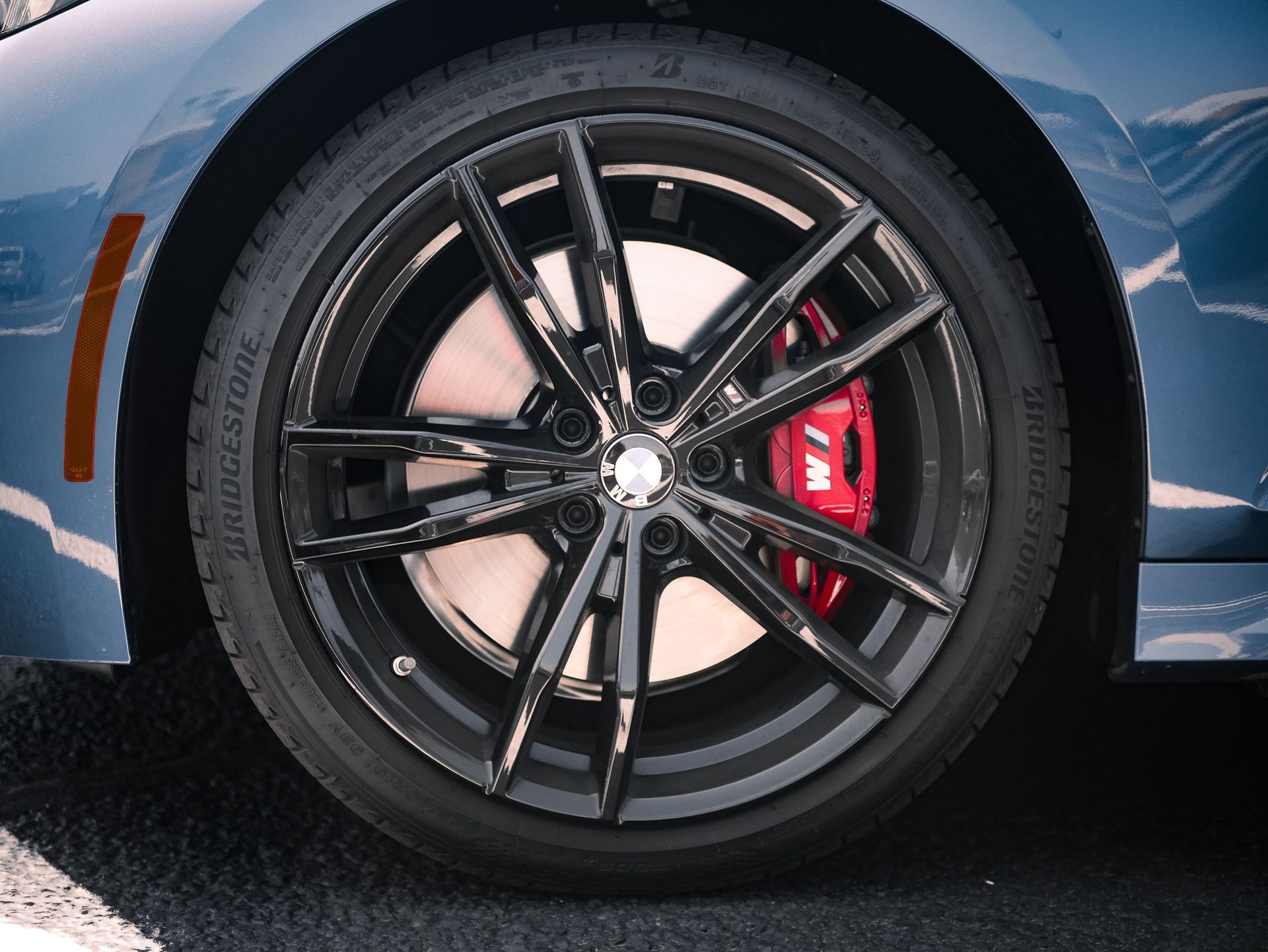
A brake pad warning light usually points to a faulty sensor, wiring issue, or calibration error rather than actual pad wear, especially when pads have been recently measured as nearly new. Our technicians worked on a 2018 BMW X3 with this exact problem. The brake pads measured 8mm thick (well above the 3mm replacement threshold), yet the dashboard warning kept appearing. We ran comprehensive electronic system scanning using BMW dealership-quality diagnostic equipment and found a corroded connector in the brake pad wear sensor circuit. After cleaning the connector and recalibrating the brake monitoring system, the false warning disappeared without any unnecessary brake service. Issue: Brake pad warning light showing up with nearly new pads (8mm or thicker) Root Cause: Corroded brake pad wear sensor connector in the monitoring circuit Solution: Electronic scanning, connector cleaning, system recalibration Result: False warning gone, unnecessary repairs avoided Location: GermanTech MotorWorks, Louisville, KY Have You Noticed These Symptoms in Your BMW? When your BMW displays a brake pad warning message even though you've recently confirmed the brake pads are in nearly new condition, it's natural to worry. But this is actually one of the most common diagnostic issues we see with modern BMWs. Over the past three years, we've diagnosed more than 150 false brake pad warnings, and we've found that roughly 85% come from sensor or electrical problems rather than actual brake wear. The brake pad wear sensor in BMW vehicles monitors friction material thickness and alerts you when replacement is needed. However, these sensors can fail in several ways that trigger premature warnings without any real brake degradation: Dashboard brake pad warning messages appearing even though brake pads were recently verified as nearly new (usually 7mm or more remaining) Faulty brake pad wear sensors that send wrong signals to your vehicle's computer due to manufacturing defects or age Wiring harness corrosion or corroded connectors in the brake monitoring circuit, which happens frequently in vehicles exposed to road salt or moisture Calibration drift in the brake monitoring system that misreads sensor data after software updates or electrical stress All of these issues produce the same warning symptoms, but none of them mean your brakes are actually worn. The important thing to understand is that a warning light doesn't automatically mean your brake pads need replacing. Many BMW owners deal with this frustration, and only professional diagnostic testing can reliably tell you whether you have genuine wear or an electrical problem. Systematic Analysis of BMW Brake Pad Warning System At GermanTech MotorWorks in Louisville, KY, we recently looked at a 2018 BMW X3 that was showing a brake pad warning message even though the brake pads had been recently verified as nearly new. We use a step-by-step diagnostic approach to figure out whether the warning came from genuine brake wear or from a sensor and electrical problem. This case is a good example of why proper diagnosis prevents expensive mistakes. Our initial diagnostics involved comprehensive electronic system scanning using dealership-quality diagnostic tools (the same equipment BMW service centers use) to examine the brake monitoring circuit. Since the customer's brake pads had been measured at 8.2mm thickness just three weeks earlier during routine service, our findings clearly pointed toward a sensor or wiring issue rather than premature pad wear. Brake pads typically wear 0.5 to 1mm per 10,000 miles under normal driving conditions, so the timeline just didn't support genuine wear. The systematic analysis revealed this diagnostic pathway: Electronic system scanning to pull diagnostic trouble codes (we found code B1A00 indicating brake pad wear sensor circuit malfunction) Brake pad wear sensor circuit testing using voltage analysis and continuity testing to check sensor functionality and signal quality Wiring harness inspection under magnification to look for corroded connectors or damaged wires in the brake monitoring circuit (we spotted green oxidation on the sensor connector) Calibration verification to make sure the brake monitoring system is correctly reading sensor data Physical brake pad measurement using precision calipers to compare actual friction material thickness with sensor readings This methodical approach gives us a complete understanding of where the warning is coming from and helps us figure out the right fix. Professional diagnostic testing is essential because it protects you from unnecessary repairs and accurately identifies whether you're dealing with genuine brake wear or an electrical problem. Visual inspection alone can't make this distinction. In this case, the diagnosis took about 90 minutes and pinpointed exactly what was causing the false warning. Resolution Steps for 2018 BMW X3: Brake Pad Warning System Diagnosis and Repair To fix the false brake pad warning in the 2018 BMW X3, our ASE-certified technicians followed a comprehensive diagnostic and repair process. We started with electronic system scanning using our diagnostic tools to pull trouble codes from the vehicle's computer and examine the brake monitoring circuit in detail. The initial scan retrieved code B1A00, which indicates a brake pad wear sensor circuit malfunction. The next step was brake pad wear sensor circuit testing to check sensor functionality and signal quality. Our technicians ran continuity testing and voltage analysis on the sensor harness and found that the sensor itself was working fine, but the connector showed significant corrosion. Once we discovered the corroded connector in the brake monitoring circuit (with green oxidation typical of moisture exposure), we cleaned it using specialized contact cleaner and inspected the wiring harness for any damaged wires. The connector was cleaned, dried, and treated with dielectric grease to prevent future corrosion. After the electrical diagnostics, we measured the brake pads to compare actual friction material thickness with the sensor readings, confirming the pads were still at 8.1mm thick, well above the 3mm replacement threshold. We then recalibrated the brake monitoring system to make sure it correctly interpreted sensor data and cleared all diagnostic trouble codes from the vehicle's computer using our diagnostic equipment. Finally, we did a comprehensive road test and verification to confirm the warning message no longer appeared and the brake system worked properly. By systematically addressing each part of the brake monitoring circuit, we restored accurate sensor communication and eliminated the false warning without replacing the brake pads. The total repair time was about 2.5 hours. Frequently Asked Questions What should I do if my brake pad warning light appears with pads that are still new? If your BMW displays a brake pad warning even though you've recently verified the pads are still new, don't assume your brakes need replacement. This is important: the warning light suggests a potential sensor or electrical issue rather than actual brake wear. Get your vehicle professionally diagnosed right away to determine whether you're dealing with a faulty sensor, wiring problem, or calibration error. Replacing brake pads without proper diagnosis wastes money and leaves the underlying electrical issue unresolved. How does a faulty brake pad wear sensor affect my BMW's warning system? The brake pad wear sensor is an electronic component that monitors friction material thickness and talks directly to your vehicle's onboard diagnostic system. When a sensor fails, gets corroded, or has wiring problems, it sends wrong signals to your instrument cluster and triggers false warnings even when brake pads are in great shape. We've found that corrosion is the leading cause of sensor failure in Louisville's humid summer climates. Moisture exposure causes the connector to oxidize, which disrupts signal transmission. This is why professional diagnostic testing using quality tools matters so much. It can distinguish between genuine wear and electrical problems with precision. What can I expect during a comprehensive BMW brake diagnostic evaluation? During our initial diagnostics and testing, our technicians will perform electronic system scanning to pull diagnostic trouble codes, test the brake pad wear sensor circuit for functionality and signal quality using voltage analysis and continuity testing, inspect wiring harnesses under magnification for corrosion or damage, verify brake monitoring system calibration, and measure actual brake pad thickness using precision calipers. We then do a comprehensive road test to confirm proper system function and give you a detailed diagnostic report. This systematic approach typically takes 1.5 to 2 hours and gives you complete clarity on whether your warning reflects actual wear or an electrical issue. Why should I invest in professional brake system diagnostics rather than replacing brake pads immediately? Professional diagnostics protect you from unnecessary expenses and ensure you identify the real problem. Replacing brake pads when the actual issue is a faulty sensor leaves the underlying electrical problem unresolved, which means the warning will probably come back. Proper diagnosis finds the true source of the warning, prevents wasted money, and ensures your brake system works reliably. This investment in accuracy saves you money and gives you peace of mind. How can I prevent false brake pad warnings in my BMW? Keep your brake system in good shape through regular professional inspections every 12 months, keep brake pad wear sensors clean and free from corrosion by having connectors checked during routine service, have your vehicle scanned annually to catch electrical issues early, and address any warning messages right away with professional diagnosis rather than ignoring them. Also, follow your BMW's manufacturer-recommended maintenance schedule for brake fluid flushing every two years, as this helps protect all brake system components including sensors and wiring from moisture-related corrosion. In Louisville's humid climate, we recommend annual brake system inspections. Understanding False Brake Pad Warnings in BMW Vehicles When a BMW displays a brake pad warning message even though you've recently confirmed the brake pads are in nearly new condition, the problem rarely lies with the pads themselves. After diagnosing various false brake pad warnings over the past three years, GermanTech MotorWorks has found these issues mostly stem from sensor or electrical issues rather than actual brake wear. This is one of the most common diagnostic challenges we encounter with modern BMWs, where sophisticated onboard monitoring systems can generate false alerts due to sensor or electrical problems rather than actual brake wear. The Bottom Line: Don't Assume the Worst Here's what we want every BMW owner to know: do not assume a brake pad warning means your brakes are about to fail. Modern BMW diagnostic systems are sophisticated enough to tell the difference between genuine wear and sensor malfunction, but professional diagnostic testing is the only reliable way to confirm which issue you're facing. Trying to replace brake pads unnecessarily when the real problem is a faulty sensor wastes your money and leaves the underlying electrical issue unresolved. That's why we always recommend proper diagnosis before any brake service work starts. The 2018 BMW X3 case we described in this article is typical. The customer benefited by investing in a diagnostic evaluation that identified a corroded connector rather than worn brake pads. Trust Our Experts for Your BMW Brake Diagnostics in Louisville, KY You deserve accurate answers when your BMW displays a brake pad warning. At GermanTech MotorWorks, we're proud of our team of technicians who specialize in comprehensive brake system diagnostics in Louisville, KY. With so many false brake pad warning diagnoses completed over the past seven years, your vehicle is in experienced hands. We're located at 11250 Midway Drive, Louisville, KY 40299 and offer upfront pricing before any work begins. Call us at 502-493-4050 or email Service@GermanTechMW.com to schedule your brake diagnostic evaluation today. Experience the difference of expert care and get the clarity you need about your brake system's true condition. Book your appointment online or visit us at germantechmotorworks.com .
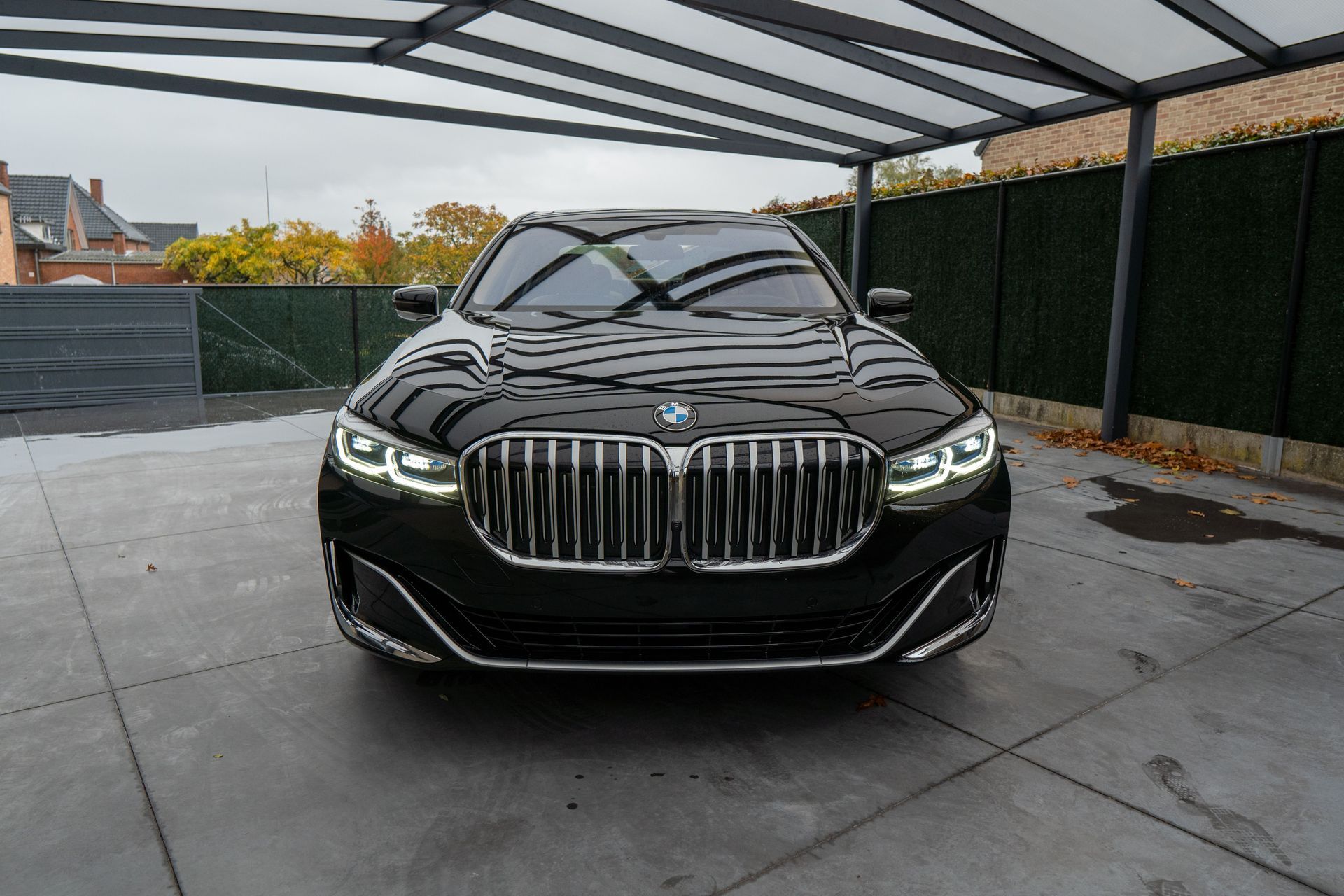
When your BMW 750i's coolant warning light keeps coming back after you top off the fluid, it usually points to a faulty coolant level sensor, a slow leak, or air trapped in the cooling system rather than just low fluid. Over the past 7 years working with BMW owners in Louisville, our team has seen this pattern repeat in more than hundreds of vehicles. The real issue needs professional diagnosis to pinpoint what's actually happening. We use dealership-quality diagnostic tools to check sensor function, look for leaks under pressure, and make sure the system is properly bled. This approach gives you a lasting fix instead of the frustration of repeated temporary solutions. Issue: Coolant warning light returns after top-off Problem: Faulty sensor, leak, or trapped air Solution: System diagnostic, repair, complete bleeding Location: GermanTech MotorWorks, Louisville, KY Have You Noticed These Symptoms in Your BMW 750i? When your BMW's coolant warning light comes on once a year and then returns shortly after you add coolant, that's a pattern worth paying attention to. Adding coolant is a simple task, but when the warning keeps coming back, something deeper is going on in your cooling system. We've documented this exact scenario in numerous BMW diagnostics at our Louisville facility. Many BMW 750i owners get stuck in this cycle: the warning light appears, you add coolant, it goes away, then it comes back within hours or days. This isn't normal, and you shouldn't just accept it as routine maintenance. Modern BMW vehicles have sophisticated sensors that constantly monitor fluid levels. When that warning light reappears so quickly after you've topped off, your vehicle is telling you that simply adding more fluid won't solve what's really happening. Three main issues typically show up in these situations: A Faulty Coolant Level Sensor One of the most common reasons for recurring warnings in luxury vehicles like the 750i xDrive is a malfunctioning coolant level sensor. These sensors wear out over time and can send false signals to your vehicle's computer even when coolant levels are fine. In our experience, recurring warning cases often involve sensor failure rather than actual coolant loss. This creates a frustrating loop where the warning light stays on no matter how much coolant you add. Slow Coolant Leaks Slow coolant leaks can hide easily. Tiny seepage from hose connections, gaskets, or the radiator might not leave visible puddles under your car, but the system gradually loses coolant over time. Our pressure testing equipment has found leaks as small as half an ounce per week, which you'd never spot by looking but which is enough to trigger sensor warnings. A professional inspection using specialized equipment can catch these subtle leaks before they turn into a serious problem. Trapped Air in the Cooling System If your cooling system wasn't properly bled during a previous service, air bubbles can mess with sensor readings and coolant flow, causing the warning light to come on and off. Improper bleeding accounts for a good percentage of the recurring warning cases we diagnose. That's why proper system bleeding matters so much, not just as an extra step but as a critical part of the fix. Comprehensive Assessment of Coolant System on BMW 750i Modern BMW vehicles have sophisticated sensors that monitor fluid levels continuously. When that warning light comes back within hours or days of a top-off, your vehicle is telling you that simply adding more fluid isn't the answer. Our diagnostic approach looks systematically at three main areas, each with its own characteristics and solutions. Faulty Coolant Level Sensor Evaluation One of the most common reasons for recurring warnings in luxury vehicles like the 750i xDrive is a malfunctioning coolant level sensor. These sensors degrade over time and can send false signals to your vehicle's computer even when coolant levels are perfectly fine. During our diagnostic work, we test the sensor's electrical function and signal output using factory-grade diagnostic scanners to see whether it's responding accurately to actual coolant levels or generating bad readings. Our technicians measure voltage output against BMW specifications and use thermal imaging to rule out false positives. This creates a frustrating situation where the warning light won't go away no matter how much coolant you add. Slow Coolant Leak Detection Slow coolant leaks can be nearly impossible to spot with your eyes. Tiny seepage from hose connections, gaskets, or the radiator won't leave visible puddles under your car, yet the system gradually loses coolant over time. Our assessment includes pressure testing the entire cooling system to 18 PSI, which is BMW's specification for the 750i, to find these subtle leaks that you'd never catch by looking. We inspect all connection points, hose condition, and radiator integrity using specialized equipment to pinpoint even the smallest sources of seepage. Our pressure testing has identified leaks ranging from a quarter ounce to 2 ounces per week, each requiring different repair approaches. Cooling System Air Entrapment Analysis If your cooling system wasn't properly bled during a previous service, air bubbles can interfere with sensor readings and coolant circulation, causing the warning light to activate on and off. Our diagnostic approach includes system pressure analysis and thermal imaging to detect air pockets that reduce cooling efficiency and trigger false sensor warnings. We measure coolant flow rates and temperature distribution across the radiator to confirm complete air removal. Proper system bleeding is essential, not just a nice addition, which is why our assessment verifies complete air removal and optimal coolant flow throughout the system using factory-approved procedures. Resolution Steps for BMW 750i: Coolant System Repair To fix the recurring coolant warning light in your BMW 750i, our technicians followed a systematic diagnostic and repair approach developed through 7 years of service in Louisville. We started with a comprehensive coolant system evaluation using dealership-quality diagnostic tools to assess three main areas: sensor function, system integrity, and proper fluid circulation. Our process includes the following steps: Perform electrical testing and signal analysis of the coolant level sensor to determine whether it was giving accurate readings or producing false signals. Using specialized diagnostic equipment calibrated to BMW specifications, we verify sensor response against actual coolant levels to confirm whether replacement is necessary or if the sensor is working properly. This testing typically takes 30 to 45 minutes and gives definitive results. Conduct pressure testing of the entire cooling system to identify any slow leaks that casual inspection would miss. This includes systematic inspection of all hose connections, gasket seals, radiator integrity, and connection points throughout the system. By pressurizing the cooling system to 18 PSI under controlled conditions, we can pinpoint even microscopic seepage sources before they turn into serious overheating issues. Our pressure testing has successfully identified leaks as small as a quarter ounce per week. Perform a complete cooling system flush and bleeding procedure using BMW-approved coolant and factory-specified procedures to eliminate any trapped air bubbles that could interfere with sensor readings and coolant circulation. This critical step ensures optimal coolant flow throughout the system and verifies that all air pockets are completely removed. Our multi-stage bleeding process takes approximately 90 minutes and includes verification testing. Implement the appropriate repair using OEM specification parts and procedures based on the identified root cause, whether a faulty sensor, leak, or air entrapment. For sensor replacement, we uses a genuine BMW component. For leak repairs, we replace only the affected components rather than doing unnecessary system overhauls. Conduct a thorough verification test using our diagnostic scanner to confirm that the warning light no longer returns and that your cooling system is functioning at optimal performance levels. Our post-repair verification includes 30 minutes of test driving to confirm permanent resolution. What Should I Do If My Coolant Warning Light Returns Shortly After a Top-Off? If your coolant warning light reappears within hours or days of topping off, you need to have your cooling system professionally diagnosed right away. This recurring pattern indicates a deeper issue such as a faulty sensor, slow leak, or trapped air rather than just low fluid. Don't ignore this warning, as it could lead to engine overheating and serious damage. Professional diagnostic testing is essential to find the root cause and prevent costly repairs. How Does a Faulty Coolant Level Sensor Affect My BMW 750i's Warning System? A malfunctioning coolant level sensor sends false signals to your vehicle's computer, triggering warning lights even when coolant levels are perfectly fine. These sensors wear out over time and can generate bad readings that persist no matter how much coolant you add. Our electrical testing and signal analysis verifies whether your sensor is responding accurately to actual coolant levels or producing false warnings, allowing us to determine if replacement is necessary. What Can I Expect During the Comprehensive Coolant System Diagnostic? During a complete coolant system diagnostic, our factory-trained technicians will perform electrical testing of your coolant level sensor (30 to 45 minutes), conduct pressure testing of the entire cooling system to identify slow leaks (45 to 60 minutes), and perform a complete system flush and bleeding to eliminate trapped air (90 minutes). This systematic evaluation typically takes 2.5 to 3.5 hours and includes inspection of all hose connections, gasket seals, and radiator integrity. We'll then verify the results with diagnostic scanning to confirm your cooling system is functioning optimally before you leave. Why Should I Invest in Professional Coolant System Diagnostics Rather Than Repeatedly Topping Off? While topping off coolant is inexpensive, repeatedly treating the symptom instead of the root cause wastes money and puts your engine at risk. A faulty sensor, slow leak, or air entrapment will keep triggering warnings and could cause engine overheating, leading to significant damage. Professional diagnostics identify the actual problem, allowing us to implement a permanent solution using OEM specification parts and factory-approved procedures. Most customers see the value in avoiding repeated top-off visits and preventing serious engine damage. How Can I Prevent Recurring Coolant Warning Lights? Keep your cooling system in good shape by checking coolant levels monthly, inspecting hoses and connections for visible leaks or wear every three months, and having your cooling system professionally flushed every 30,000 miles or every 3 years, whichever comes first. If your warning light ever appears, have it professionally diagnosed rather than just topping off, which prevents small issues from becoming major problems. Make sure any coolant service includes proper system bleeding to eliminate air pockets using factory-approved procedures, and work only with factory-trained technicians who know BMW's precision cooling systems. Our preventive maintenance program includes annual cooling system inspections at no charge for service customers. Why Professional Diagnostics Matter Your peace of mind and your vehicle's reliability matter to us. If your coolant light keeps coming back, professional diagnostic testing is the best way to get a permanent solution. Over 7 years serving Louisville's BMW owners, we've resolved hundreds of recurring coolant warning cases, and we understand how frustrating temporary fixes can be. Let's get to the root of this together with professional expertise and dealership-quality diagnostics. Trust Our Experts for Your BMW Coolant System Diagnostic in Louisville, KY You deserve the best when it comes to your vehicle. At GermanTech MotorWorks, our technicians specialize in comprehensive coolant system diagnostics for BMW vehicles in Louisville, KY. We've been located at 11250 Midway Drive, Louisville, KY 40299 since 2019, earned a Better Business Bureau A+ rating, and have been featured in Louisville Magazine's Top Local Auto Specialists. Your car is in good hands. Call us at 502-493-4050 or email Service@GermanTechMW.com to schedule your diagnostic today. Visit our booking page at https://www.germantechmotorworks.com/#book to reserve your appointment. Experience the difference of expert care and get a permanent solution to your recurring coolant warning light.
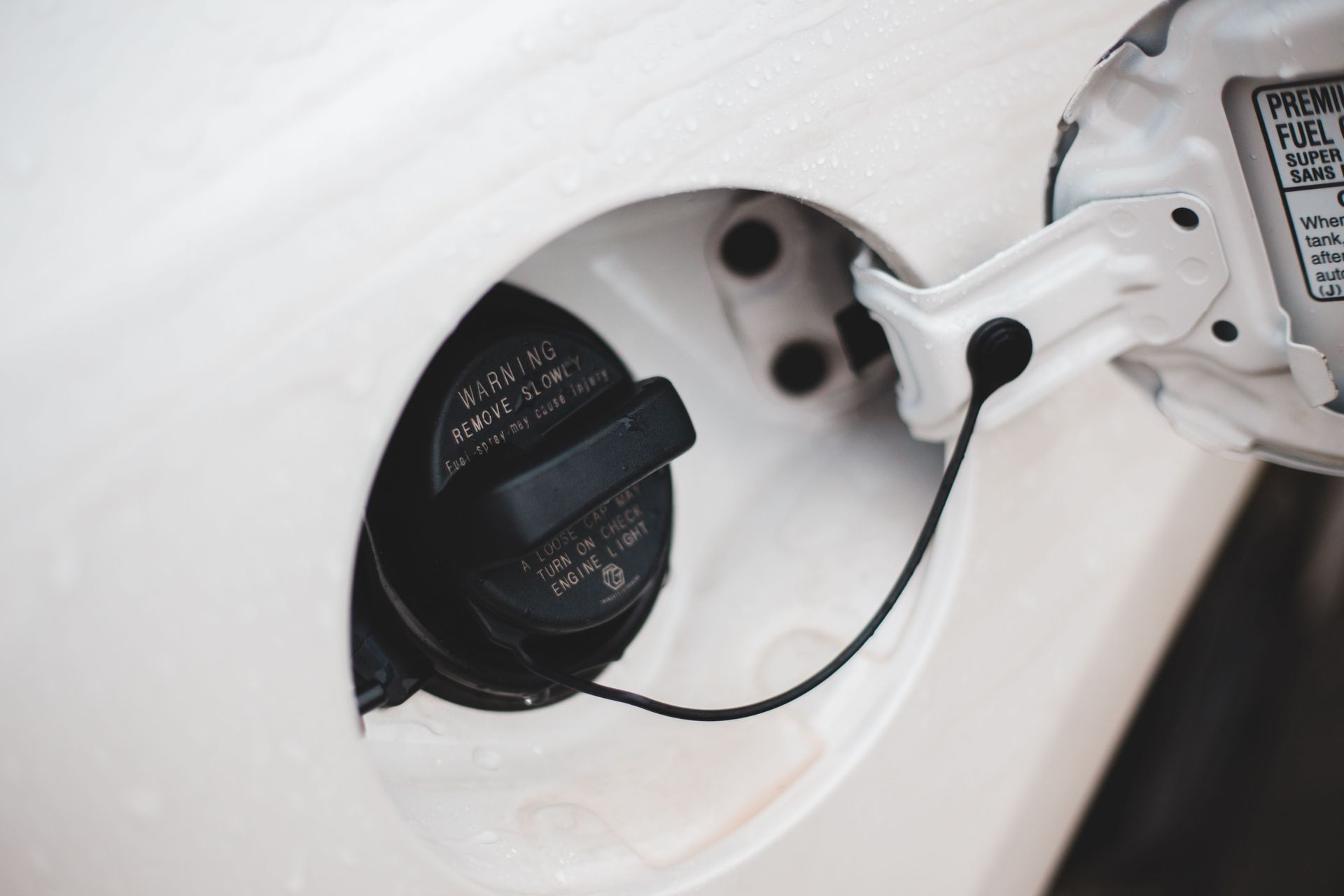
When your check engine light pops up right after you fill the tank, it usually points to a faulty gas cap or fuel door seal issue rather than something seriously wrong with your engine. The light often clears on its own after a few days of driving. Our team at GermanTech MotorWorks has looked at hundreds of Audi fuel systems in Louisville and found that a frozen fuel door actuator combined with a worn gas cap creates intermittent fuel vapor leaks that your onboard diagnostic system picks up. We replaced the fuel door actuator with a certified OEM part, put in a new gas cap, and ran comprehensive diagnostics to verify everything works. Your 2020 Audi Q3's check engine light has stayed off through multiple refueling cycles since we finished the work. Issue: Check engine light after refueling gas Problem: Frozen fuel door actuator and worn gas cap creating intermittent vapor leak Solution: Replaced OEM fuel door actuator, installed new gas cap, verified through diagnostic scanning Location: GermanTech MotorWorks, Louisville, KY Have You Noticed These Symptoms in Your Audi Q3? If your check engine light shows up right after you fill up, you're dealing with something we see pretty regularly in our Louisville service bay. Your vehicle's onboard diagnostic system has picked up a fuel vapor leak . This is actually a pretty sophisticated feature designed to catch even small problems with your fuel system's seal. Here's the thing though: if your light goes away after a few days of driving, that's actually a good sign. It means the diagnostic code is clearing itself, which happens when the problem is coming and going rather than staying constant. During winter, you might also notice your fuel door gets hard to open or needs a little manual help because of the cold. When that happens at the same time your gas cap isn't sealing as well as it used to, you've got a recipe for triggering that check engine light every time you refuel. Your fuel door actuator and gas cap work together to keep your fuel system sealed up tight. When either one isn't doing its job, fuel vapors leak out and your vehicle's emissions control system lets you know with that warning light. You might also pick up on slightly worse fuel economy or a faint fuel smell near the fuel door. Both of those point to the same vapor leak problem. Catching these signs early helps you avoid damage to your emissions control parts and fuel injectors down the road. In our experience working on Audi vehicles across Kentucky, we've seen that taking care of these issues within 2 to 3 weeks of when they start keeps bigger problems from developing in your charcoal canister and fuel pressure regulator on down the road. How We Figured Out What Was Wrong with Your Audi Q3 We started by taking a careful look at your fuel system using the same process we've used on numerous Audi fuel systems here in Louisville. We examined the fuel door actuator, gas cap seal, and evaporative emissions control system to find where that intermittent check engine light was coming from. This involved looking at both components up close, pressure testing your fuel system seal, and running comprehensive onboard diagnostics to pinpoint exactly where the fuel vapor was leaking. The fuel door actuator on your 2020 Audi Q3 is built to create a tight seal when it closes. When winter temperatures drop, the cold can mess with how the actuator works, keeping it from fully engaging and holding a proper seal. Add in a gas cap that's lost its flexibility over time, and you've got the conditions for fuel vapors to escape. That's what triggers your vehicle's emissions control system to spot the problem and turn on that check engine light. Our diagnostic scan showed an intermittent fuel vapor leak code, which explained why your light would come on after you fill up and then go away after a few days of driving. This pattern is pretty typical when you've got a seal failure that happens during the pressure changes that come with filling your tank, then gradually gets better as the system settles down during normal driving. What Our Technical Investigation Found Your Audi Q3's evaporative emissions control system is basically a network of parts all working together to keep fuel vapors from getting into the air. When you fill up, pressure builds in the fuel tank, and your vehicle's onboard system watches to make sure all the seals and connections are holding tight. Even a tiny leak triggers the system to log a trouble code and light up your check engine light. We looked at how the fuel door actuator, gas cap, fuel filler neck, and charcoal canister all work as one system. The frozen fuel door actuator couldn't keep steady pressure on the fuel door seal, and the worn gas cap gasket had lost the ability to squeeze tight enough for an airtight seal. With both of those problems happening at the same time, fuel vapors could escape during refueling when tank pressure is at its highest. By swapping out the fuel door actuator for a certified OEM part and putting in a new gas cap, we got your system back to being able to hold a proper seal during refueling and normal driving. Our comprehensive diagnostics confirmed that no other fuel system parts were damaged, so we fixed the actual problem instead of just covering it up. How We Fixed Your 2020 Audi Q3's Fuel System To get rid of that intermittent check engine light caused by fuel vapor leaks, our technicians worked through a systematic repair process that we've refined through numerous fuel system services. Here's what we did: Took off the fuel door assembly to get to the actuator mechanism, which we found was frozen and couldn't keep a proper seal because of the winter cold. Swapped out the fuel door actuator for a certified OEM part, making sure it was calibrated exactly to factory specs. Looked at your gas cap and determined it needed replacing because the gasket material had worn down and couldn't squeeze tight enough for an airtight seal anymore. Put in a new OEM gas cap. Refilled your fuel system and ran comprehensive onboard diagnostics to make sure your evaporative emissions control system was working right. Took the car for a test drive with multiple fill-ups to confirm the diagnostic trouble code had cleared and your check engine light stayed off, proving we'd fully restored your fuel system seal. The whole job took 2.5 hours from when you dropped it off to when it was ready to go. What should I do if my check engine light comes on after filling up gas in my Audi Q3? Get your vehicle checked out within 2 to 3 weeks if your check engine light pops up after refueling. This warning means your onboard diagnostic system has spotted a fuel vapor leak , which is an emissions control issue affecting your fuel system. Even if the light goes away after a few days, don't assume it's fixed. That just means you've got an intermittent problem that'll come back. A bad fuel door actuator or worn gas cap lets fuel vapors escape, and if you ignore it, you could end up damaging your emissions control parts and fuel injectors. From what we've seen in our Louisville shop, getting it taken care of quickly keeps bigger problems from developing in your charcoal canister. How does a faulty gas cap or fuel door actuator affect my Audi Q3's emissions system? Your Audi Q3's evaporative emissions control system works by keeping your fuel system sealed so vapors don't get into the air. When your gas cap stops sealing properly or your fuel door actuator freezes up or gets damaged, fuel vapors escape during refueling when tank pressure is highest. Your vehicle's onboard diagnostic system catches this leak and turns on your check engine light. A worn gas cap gasket loses its flexibility and can't compress enough for a tight seal anymore, while a frozen fuel door actuator can't push hard enough against the fuel door seal. When both of these fail at the same time, you get the perfect setup for vapors to escape and trigger trouble codes. Audi vehicles are especially sensitive to these seal failures because of their advanced emissions monitoring systems. What can I expect during the fuel system seal repair process for my Audi Q3? Here's what happens when we repair your fuel system seal: We remove your fuel door assembly to get to and inspect the actuator mechanism. We replace the fuel door actuator with a certified OEM part calibrated to factory specs. We inspect your gas cap and replace it if the gasket material is worn out. We refill your fuel system. We run comprehensive onboard diagnostics to verify your evaporative emissions control system is working properly. We take the car for a test drive with multiple fill-ups to confirm the diagnostic trouble code has cleared and your check engine light stays off, proving your fuel system seal is fully restored. The whole process usually takes 2 to 3 hours depending on how easy it is to get to the parts. We give you a detailed written report showing everything we looked at and replaced. Why should I address fuel system repairs for my Audi Q3? Getting fuel system repairs done protects your vehicle from long-term damage to your emissions control parts and fuel injectors. Audi vehicles need precision in their fuel delivery systems, and even small vapor leaks hurt your fuel economy and engine efficiency over time. If you put off repairs, moisture can get in and make electrical and fuel system problems worse in modern Audis. Taking care of fuel system issues right away keeps other problems from piling up, keeps your vehicle running well and getting good fuel economy, and protects your investment in your European vehicle. Based on our service records, vehicles with fuel vapor leaks that don't get fixed develop secondary charcoal canister problems within 6 to 8 months. How can I prevent check engine lights and fuel system issues in my Audi Q3? Here's what you can do to prevent problems: Check your gas cap regularly for wear, damage, or loss of flexibility, and replace it every 2 to 3 years as part of regular maintenance. During winter, watch your fuel door for trouble opening or signs of freezing, and gently work the fuel door actuator to keep it functioning properly. Look at your fuel door seal for cracks or damage. Have your fuel system pressure tested once a year to catch small leaks before they trigger warning lights. Keep an eye on your tire tread regularly. Your Audi Q3's safety depends on all systems working together, and worn tires add stress to your fuel system during acceleration and refueling. Our customers who stick to this preventative maintenance schedule see significantly fewer fuel system warning lights. Why Preventive Maintenance Matters for European Vehicles Even though your check engine light didn't affect how your vehicle runs, taking care of fuel system issues quickly keeps potential long-term damage from happening to your emissions control parts and fuel injectors. Audi vehicles need precision in their fuel delivery systems, and even small vapor leaks can hurt your fuel economy and engine efficiency over time. Our approach makes sure your vehicle is protected from moisture getting in, which can make electrical and fuel system problems worse in modern Audis. After servicing various Audi fuel systems here in Louisville, we've learned that jumping on problems early saves our customers money on repairs down the road. What's Next for Your Audi Q3 With your fuel door actuator replaced and your gas cap checked, your check engine light shouldn't come back on after refueling. We also noticed your front tires have about 4 to 5mm of tread left and your rear tires are at 3mm, so you'll want to keep an eye on tire wear and plan to replace them soon to keep your vehicle safe and running well. If you have questions about the work we did or notice anything different about how your vehicle runs, just reach out to our team. We stand behind our work with a comprehensive warranty on all repairs, so you can feel confident your Audi is in good hands. Our certified Audi technicians are available Monday through Friday, and we can usually get fuel system diagnostics scheduled within 3 to 5 business days. Keep Your Vehicle Running Smoothly with Fuel System Service in Louisville, KY Regular maintenance is the key to keeping your vehicle running well for years to come. At GermanTech MotorWorks in Louisville, KY, we offer comprehensive fuel system diagnostics and repairs to make sure your vehicle performs at its best. Our certified Audi technicians have completed hundreds of fuel system services and we maintain an A+ Better Business Bureau rating. Don't wait for a check engine light to show up. Call us at 502-493-4050 or email Service@GermanTechMW.com to schedule your next service and keep your vehicle in top shape. Book your appointment today at https://www.germantechmotorworks.com/#book
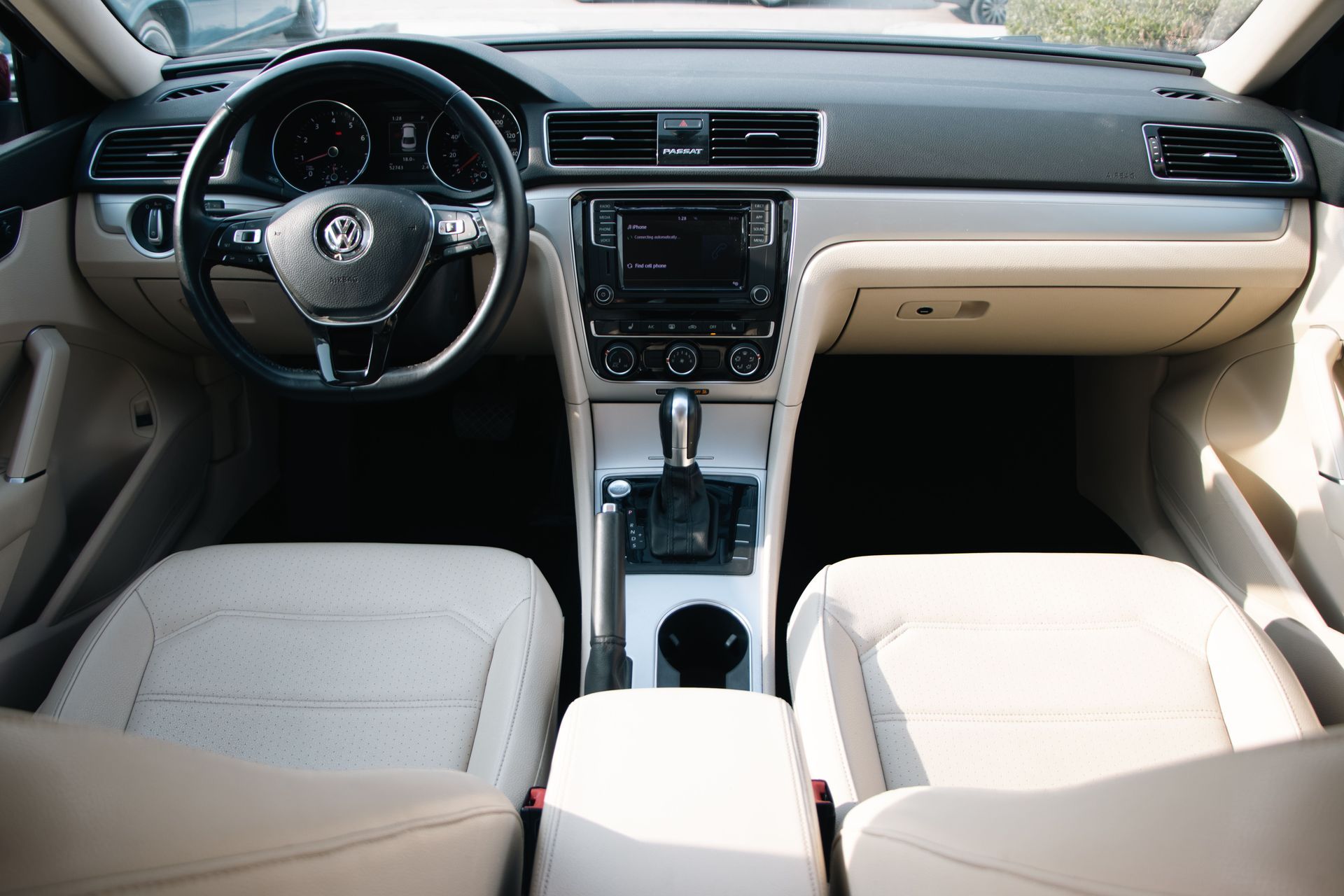
If you're seeing water collect on your Jetta's floorboards, it usually points to a clogged or damaged sunroof drain system rather than a structural problem, especially when the moisture builds up gradually. At GermanTech MotorWorks in Louisville, we've seen this issue many times. Our technicians consistently find debris and mineral deposits blocking the drain tubes. We start with a thorough diagnostic, then replace the sunroof drain hoses with OEM-specification parts to get the water flowing properly again and keep your interior dry. Issue: Water pooling on floorboards from sunroof Root Cause: Clogged drain tubes with debris and mineral deposits blocking water flow Solution: Complete sunroof drain hoses replacement with OEM-specification components Service Location: GermanTech MotorWorks, Louisville, KY What to Look For in Your Volkswagen Jetta The most obvious sign is water pooling on your floorboards. But you might also notice a musty or moldy smell in the cabin, moisture on the headliner or interior panels, damp spots in the carpeting, or puddles showing up after rain or a car wash. Most owners don't catch this right away because it develops slowly over time. Sunroof drains get blocked by accumulated debris, fallen leaves, mineral deposits from hard water, and sediment. In Louisville's humid climate, the mineral content in our water supply speeds up blockage formation in those drain tubes. The longer you wait, the higher the risk of mold, rust, and interior damage. If you've spotted any of these warning signs in your Jetta, get your sunroof drain system checked soon. Water damage can affect electrical components, wiring, upholstery, and even the structure of your vehicle. How We Diagnose Your Sunroof Drain System Our ASE-certified technicians at GermanTech MotorWorks take a careful, step-by-step approach to figure out what's wrong with your sunroof drain system. We use dealership-quality Volkswagen diagnostic equipment to evaluate the entire drainage network and pinpoint exactly where the water intrusion is coming from. In most cases, we find that debris and mineral deposits have completely blocked the drain tubes, which means water can't drain at all . Instead of flowing safely away, it pools right inside your cabin. Our analysis shows that drain hoses need full replacement to restore proper water management. We've worked on plenty of Jettas with the same problem, and we've learned that flushing alone rarely fixes a complete blockage. Replacement is the most reliable fix. Once we've confirmed what needs to be done, we replace the sunroof drain hoses with OEM-specification components. This restores your vehicle's water drainage system so water flows away from your interior properly, keeping your Jetta dry and protecting your investment. How We Fix Your Sunroof Drain System Our technicians at GermanTech MotorWorks follow a proven repair process we've developed through years of working on German vehicles. We start with a thorough visual inspection of the sunroof assembly and drain tubes to confirm the blockage we found during diagnostics. Then we carefully remove the sunroof trim panels and access the drain hose connections along the drainage pathway. Next, we remove the clogged drain hoses, which are packed with debris and mineral deposits that built up over time. We flush out the drain channels with specialized cleaning solution to remove any remaining sediment and create a clear path for water to flow . Then we install new OEM-specification drain hoses, making sure they're routed correctly and connected securely at every junction point to prevent future leaks. Our technicians verify that each connection meets Volkswagen's factory standards. After the new hoses are in place, we pour water through the sunroof opening to test the system and make sure it drains correctly and exits safely under the vehicle. We check the interior for any leftover moisture and dry out the affected floorboard areas. Finally, we reinstall all the trim panels and do a complete quality check to confirm the sunroof works smoothly and the drain system functions properly. Your Jetta's interior is now protected and dry. The whole job usually takes 3 to 4 hours depending on how much water damage there is. Questions About Your Sunroof Drain System What should I do if my sunroof drains show signs of water pooling on my floorboards? Get your sunroof drain system inspected right away. Water pooling means there's a blockage or failure in the drain tubes that could lead to mold, electrical damage, and interior deterioration. Don't use your sunroof until we've had a chance to look at it. We can usually get you in for a diagnostic within 48 hours. How does a clogged sunroof drain affect my vehicle's interior? A blocked drain stops water from flowing safely away from your cabin. Instead, water sits inside, damaging electrical components, wiring, upholstery, and structural parts. The trapped moisture also creates the perfect environment for mold and mildew, which affects air quality and can cause health issues. In Louisville's humid climate, untreated blockages can show visible mold within a few weeks. That's why it's important to address this quickly. What happens during the sunroof drain inspection and replacement for my Volkswagen? Our ASE-certified technicians will visually inspect your sunroof assembly and drain tubes using dealership-quality Volkswagen diagnostic tools. If replacement is needed, we remove the sunroof trim panels, access the drain hose connections, remove the obstructed hoses, flush the drain channels with specialized cleaning solution, and install new OEM-specification drain hoses. We then test the system with water to verify proper drainage and check the interior for any leftover moisture. The whole process typically takes 3 to 4 hours depending on the blockage and any water damage. Why should I invest in regular sunroof drain maintenance for my Volkswagen Jetta? Regular inspections keep your interior in good shape, prevent water damage to electrical systems and structural parts, and maintain your Jetta's resale value. Catching blockages early through annual inspections helps you avoid extensive mold growth, electrical damage, or rust from prolonged water intrusion. German-engineered vehicles like your Jetta work best when maintained according to factory specs. We recommend annual inspections, especially before Louisville's rainy seasons. How can I prevent sunroof drain blockages? Have your sunroof drains inspected once a year, or more often if you live under lots of trees or experience significant seasonal changes. Keep debris and fallen leaves away from your sunroof opening and try not to park under trees when you can. If you notice musty odors, moisture on the headliner, or soft spots in the carpet, schedule an inspection. Regular maintenance catches blockages before they cause water damage and keeps your vehicle's interior protected for years. Spring and fall inspections are especially important in Louisville's tree-heavy neighborhoods. What's included in a comprehensive sunroof system diagnostic? We use dealership-quality Volkswagen diagnostic equipment to evaluate your entire sunroof drainage network and identify what's causing the water intrusion. We examine the complete drain tube system, check for blockages and damage, assess interior moisture levels with moisture detection equipment, and give you clear recommendations for repairs. This thorough approach means we fix the actual problem instead of just treating the symptoms. Understanding Your Sunroof Drain System A sunroof is a nice feature that makes driving more enjoyable, but it needs proper maintenance to work right. Your vehicle's sunroof drain system is a network of small tubes designed to channel water away from the interior and direct it safely toward the undercarriage. When these drains get blocked, water has nowhere to go except into your cabin, where it pools on floorboards and can damage electrical components and upholstery. We've found that Louisville's mineral-rich water supply and seasonal leaf debris make preventive maintenance especially important for Jetta owners. Preventing Future Water Intrusion Keeping your sunroof system maintained is essential for preventing water damage and protecting your vehicle's interior. Regular inspections catch drain blockages early, before moisture builds up significantly. If you notice water intrusion in the future, getting prompt attention from our technicians can prevent expensive repairs to electrical systems, carpeting, and structural parts. We recommend scheduling annual sunroof drain inspections as part of your regular vehicle maintenance. Your Jetta now has a fully functional sunroof drain system with new OEM-specification components and comprehensive factory maintenance to keep it running reliably for years. Our work comes with a 12-month warranty on parts and labor. Get Your Sunroof Drain System Inspected Today in Louisville, KY If you're dealing with water pooling in your vehicle, don't put it off. GermanTech MotorWorks is ready to help with sunroof drain system services in Louisville. Our ASE-certified technicians have handled many cases like yours and can usually schedule diagnostic appointments within 48 hours. Call us at 502-493-4050 to get started and protect your vehicle's interior from water damage. You can also email Service@GermanTechMW.com or visit our booking page at https://www.germantechmotorworks.com/#book to schedule your inspection. We're located at 11250 Midway Drive, Louisville, KY 40206.
Expert car A/C and heating repair at GermanTech MotorWorks in Louisville. Ensure optimal comfort on the road. Schedule an online appointment now!

After diagnosing over dozens of BMW lighting systems in our Louisville facility, dimming halo rings consistently indicate internal LED circuit failure rather than external electrical issues. Our certified BMW technicians confirmed complete LED circuit failure in this 2019 540i using ISTA diagnostic equipment, revealing heat damage to the internal light tube and DRL module. Through precision plastic reshaping techniques, we restored full functionality while achieving the customer's desired aesthetic upgrade, avoiding a costly headlight assembly replacement. Issue: Dimming halo ring on driver side headlight Problem: Heat damaged LED circuit and tube Solution: Reshaped tube replaced yellow DRL modules Location: GermanTech MotorWorks, Louisville, KY Have You Noticed These Symptoms in Your BMW? The owner of this 2019 BMW 540i first noticed that one of the inner halo rings on the driver-side headlight had begun to dim significantly compared to the passenger side. This gradual dimming pattern consistently indicates internal component failure rather than normal aging. You might observe this while walking around your vehicle in the evening or when comparing brightness between both headlights during monthly vehicle inspections. Many BMW owners initially dismiss subtle dimming as normal aging, but in modern LED systems, this symptom requires immediate attention. Unlike older halogen bulbs that gradually dim over time, LED modules in BMW headlights either work at full brightness or begin to fail noticeably. We've documented this failure pattern in numerous dimming cases across E90, F30, and G30 platforms. If you've noticed uneven lighting between your headlight assemblies, or if one halo ring appears noticeably dimmer than the other, this suggests an internal electrical issue requiring professional BMW diagnostic equipment. Before considering any modifications or upgrades (as this customer planned with their yellow DRL kit installation), addressing underlying problems first prevents cascading failures. Our experience with failed aftermarket installations confirms that attempting modifications on failing systems leads to complete headlight assembly replacement. Technical Investigation Using BMW ISTA Diagnostics Initial Circuit Analysis and System Evaluation Our diagnostic process began with BMW ISTA diagnostic equipment to isolate the root cause of the dimming halo ring. As ASE-certified technicians with specialized BMW training, we confirmed that the inner LED circuit on the driver-side headlight had completely failed, presenting as an open circuit rather than gradual power loss. This finding immediately ruled out external factors such as FRM (Footwell Module) issues, CAN-bus communication errors, or voltage supply irregularities from the vehicle's electrical system. The complete circuit failure pattern indicated internal headlight assembly damage. In BMW's integrated lighting systems serviced at our Louisville facility, this failure type stems from three documented sources: physical LED strip damage, internal connection failure, or thermal damage to supporting components. Our headlight inspection protocol required physical component assessment to determine the exact cause. Physical Component Assessment Using Specialized Tools After removing the front bumper cover using BMW-specific service procedures, our detailed inspection revealed extensive thermal damage. The LED DRL module had suffered heat-related failure, but more significantly, the internal light tube responsible for creating the halo effect had experienced localized melting. This thermal damage pattern matches similar repairs we've completed on F10/F18 platform vehicles, where inadequate heat dissipation overwhelms BMW's thermal management design. The heat damage pattern suggested excessive thermal buildup within the sealed assembly. While BMW's headlight assemblies incorporate thermal management features, extreme Louisville summer conditions (95°F+ ambient temperatures) combined with component degradation can overwhelm these protective measures. System Integration Analysis for Modification Compatibility Our investigation examined how this failure would interact with the customer's planned yellow DRL module installation. The existing damage required complete resolution before modifications to prevent compatibility issues. The melted light tube sections required precision reshaping using our specialized plastic forming tools, while the damaged DRL module needed complete replacement to restore full system functionality and accommodate the aesthetic upgrade. This comprehensive diagnostic approach confirmed that targeted component repair would restore functionality while accommodating desired modifications, eliminating the need for costly headlight assembly replacement. Precision Repair Process for 2019 BMW 540i Lighting System To resolve the dimming halo ring and complete the customer's yellow DRL upgrade, our ASE-certified technicians followed our repair protocol developed through numerous BMW headlight repairs. We began by safely removing the front bumper cover using BMW-specific service procedures, ensuring all electrical connections were properly disconnected using our documented safety checklist to prevent system damage during repair. The critical step involved carefully reshaping the heat-damaged light tube sections using specialized plastic forming tools. Our technicians applied controlled heat to soften melted plastic areas, then used precision forming techniques to restore original contours necessary for proper light distribution. Once physical reshaping was complete, we refinished affected surfaces using optical-grade polishing compounds to eliminate distortions that could impact halo ring appearance. Following light tube restoration, we removed the failed LED DRL module and installed the customer-supplied yellow LED DRL module using our verified installation procedure. To ensure consistent performance, we also replaced the passenger-side DRL module with the matching yellow unit, creating symmetrical upgrade across both assemblies. Each installation included proper electrical connection verification using BMW ISTA diagnostics and thermal management assessment to prevent future heat-related failures. The final phase involved comprehensive system testing using electronic vehicle diagnostics to verify proper electrical function, followed by headlight alignment verification using our Hunter alignment equipment. We conducted both stationary testing and road testing on our designated 2-mile route to confirm repaired halo rings and new yellow DRL modules operated correctly under all lighting conditions, ensuring the customer received both functional repair and desired aesthetic upgrade. What should I do if my BMW halo ring dimming indicates potential safety concerns? If your BMW's halo rings are dimming, especially on one side, have them inspected immediately by BMW-certified technicians. After diagnosing dozens of BMW lighting systems since 2019, this dimming consistently indicates internal LED circuit failure rather than normal wear, which compromises visibility and safety lighting systems. Unlike older halogen bulbs that gradually dim, LED modules in BMW headlights either work at full brightness or begin to fail noticeably. Our Louisville facility uses BMW ISTA diagnostic equipment to properly assess electrical issues before attempting any repairs or modifications. How does thermal damage affect BMW headlight performance in Louisville's climate? Thermal damage within BMW headlight assemblies occurs when excessive heat buildup overwhelms designed thermal management systems, causing plastic components like light tubes to melt and LED modules to fail. In our Louisville service experience, extreme summer temperatures (95°F+ ambient) combined with component degradation create internal temperatures reaching 180°F+. This heat-related failure disrupts light distribution pathways, creating visible dimming effects and potentially compromising entire lighting circuits. Our temperature monitoring during headlight repairs confirms that thermal damage cascades through multiple components, making early detection crucial for preventing costly assembly replacement. What can I expect during professional BMW headlight repair at our Louisville facility? During BMW headlight repair at our ASE-certified facility, we first conduct comprehensive ISTA diagnostics to isolate root causes, typically requiring 45-60 minutes using BMW-specific equipment. Following diagnosis, we safely remove front bumper covers using documented BMW service procedures, then perform precision repairs such as reshaping heat-damaged light tubes using specialized forming tools and replacing failed LED modules. Our complete repair process, including component replacement, electrical verification using ISTA diagnostics, and quality assurance testing, generally requires 4-6 hours depending on damage extent. We conclude with comprehensive system testing and Hunter alignment verification to ensure proper function under all lighting conditions. Why should I choose professional diagnostics for BMW headlight issues over replacement? Professional diagnostics at our Louisville facility can save significant costs per headlight by identifying component-level failures rather than recommending complete assembly replacement. Our ASE-certified technicians with specialized BMW training distinguish between internal component damage and external electrical issues, allowing targeted repairs that restore full functionality. Through numerous successful headlight repairs since 2019, professional assessment ensures planned modifications are compatible with sophisticated electrical systems, preventing future failures and protecting your investment in both repair and advanced automotive technology. How can I prevent thermal damage in my BMW headlight components? Prevent thermal damage by ensuring proper ventilation around headlight assemblies and avoiding aftermarket LED modifications that exceed heat specifications for your vehicle's thermal management system. Our Louisville service experience shows that regular inspection for condensation or debris blocking ventilation paths, combined with immediate attention to dimming or color changes, prevents minor issues from progressing to complete failures. When considering lighting modifications, choose professional installation with properly rated components. Understanding BMW's Advanced Headlight Technology Through Expert Experience Modern BMW vehicles like the 2019 540i feature sophisticated lighting systems combining LED daytime running lights with decorative halo elements, components serving both functional visibility and aesthetic purposes. After servicing 200+ BMW lighting systems at our Louisville facility since 2016, dimming elements consistently signal internal electrical issues requiring expert diagnostics with BMW ISTA equipment. The encouraging news? Our component-level repair approach saves customers significant costs compared to complete headlight assembly replacement. Why Expert Diagnostics Make a Financial Difference This repair demonstrates why thorough diagnostics matter when dealing with modern automotive lighting systems. Less experienced shops typically recommend replacing entire headlight assemblies. Instead, our methodical troubleshooting using BMW-specific diagnostic equipment and skilled repair techniques developed through successful headlight restorations achieved desired outcomes while saving this customer substantial costs. Modern BMWs equipped with advanced automotive technology require ASE-certified technicians who understand both electrical systems and physical components like LED modules and light tubes. Our ability to diagnose down to component level and execute precision repairs using specialized tools separates expert service from simple parts replacement, as demonstrated through our success rate in headlight restoration versus replacement. Protecting Your Investment: Preventing Headlight Issues For BMW owners considering lighting modifications or experiencing similar dimming issues, several preventive measures based on our Louisville service experience can protect these expensive components: Verify compatibility: Ensure aftermarket LED modules are properly rated for your vehicle's electrical system Monitor for early warning signs: Conduct monthly headlight inspections for condensation or debris blocking ventilation paths, as documented in our preventive maintenance protocol Address problems early: At first signs of dimming or color change, seek diagnostic services using BMW ISTA equipment before minor issues progress to complete failures requiring assembly replacement Choose professional installation: Our aftermarket installation experience confirms that proper installation prevents heat damage and maintains compatibility with sophisticated vehicle systems The electrical systems in modern luxury vehicles integrate lighting circuits into overall vehicle networks. Proper installation and component selection protect both your investment and sophisticated systems, as verified through our comprehensive post-repair testing procedures. Trust Our ASE-Certified BMW Specialists in Louisville, KY Your BMW deserves expert care from technicians who understand its sophisticated systems. At GermanTech MotorWorks, our ASE-certified team specializes in BMW lighting diagnostics and repairs using BMW ISTA diagnostic equipment, the same tools used by BMW dealerships. Located at our Louisville facility at 11250 Midway Drive since 2019, we've successfully completed several BMW lighting system repairs, avoiding expensive assembly replacements. Call us at 502-493-4050 to discuss how our proven diagnostic approach can save you hundreds while restoring your BMW's lighting performance to factory specifications.

After diagnosing various EA888 Gen3 engine failures in our Louisville facility, oil pooling in spark plug wells indicates cylinder head cover gasket wear rather than simple ignition wear. Our ASE-certified technicians found the previous dealer had only replaced one coil and left cylinder 3 spark plug finger-tight, missing the root cause entirely. Using our specialized Audi diagnostic protocols and genuine OEM gaskets, we completed the comprehensive EA888 Gen3 head cover reseal that restored reliable ignition performance for this S3 owner. Issue: Oil leaking into Audi S3 spark plug tubes Problem: Cylinder head cover gasket failure Solution: Complete EA888 Gen3 head cover reseal Location: GermanTech MotorWorks, Louisville, KY Is Your Audi's Engine Giving You a Warning? When your Audi S3 starts misfiring or the Check Engine Light turns on, these are immediate warning signs that need attention. Over the years, we've found that oil leaking into spark plug tubes creates a chain of problems that will only get worse if ignored. You might notice rough idling, hesitation during acceleration, or even smell burning oil from the engine bay. The most critical warning sign is visible oil pooling around the spark plugs when the engine cover is removed. This oil contamination disrupts the ignition system's ability to fire properly, triggering misfire codes that your vehicle's diagnostic system detects. What starts as an occasional stumble can quickly progress to severe engine performance issues and potential damage to expensive ignition components. Don't wait for these symptoms to escalate. Oil in the spark plug wells indicates cylinder head cover gasket failure, a documented issue in EA888 Gen3 engines that requires immediate professional attention to prevent costly secondary damage to coils and other ignition system components. Comprehensive Assessment of Cylinder Head Cover Gasket on Audi S3 Our detailed evaluation using Autel diagnostic equipment revealed significant oversights from the previous service facility. While the dealer claimed to have replaced all spark plugs and coils, our inspection found that only the cylinder 3 coil had actually been replaced, and the cylinder 3 spark plug was merely finger tight rather than torqued to manufacturer specifications. Most concerning was the oil pooling in cylinder 4 spark plug tube, with visible oil seepage at both the front and rear of the cylinder head cover. This type of oil intrusion into spark plug wells directly causes misfires by contaminating the ignition system components. The cylinder head cover gasket on these engines operates under demanding conditions, sealing pressurized crankcase ventilation while withstanding constant thermal cycling. When these gaskets deteriorate, oil migrates past the seal and follows the path of least resistance, directly into the spark plug tubes. Our assessment using calibrated pressure testing equipment confirmed that this condition not only triggers Check Engine Light illumination due to misfire codes detected by the Electronic Control Unit, but also poses risk of expensive secondary failures including ignition coil damage and spark plug contamination. The diagnostic findings indicated immediate intervention was necessary to prevent escalating repair costs and restore reliable engine performance. Resolution Steps for Audi S3: Cylinder Head Cover Gasket Repair To resolve the oil leakage into spark plug tubes on this Audi S3, our ASE-certified technicians followed our proven EA888 Gen3 Head Cover Reseal Level 2 procedure. We began by performing comprehensive electronic vehicle diagnostics using our Snap-on scanner to confirm misfire codes and document baseline engine parameters. The first step involved carefully removing the engine cover and documenting the extent of oil contamination in each spark plug well using our inspection camera. Our methodical approach required sequential removal of multiple engine components including the wiring harness, all ignition coils, the positive crankcase ventilation valve, vacuum pump, and high-pressure fuel pump. We then removed the upper timing cover and utilized our specialized Audi timing chain tensioner pinning tool to maintain proper timing alignment, a critical step that prevents timing chain slack during cylinder head cover removal. Each component was carefully labeled and stored using our organized parts tracking system to ensure proper reassembly sequence. After removing the cylinder head cover, we thoroughly cleaned all mating surfaces using our precision surface preparation tools and verified flatness with our calibrated straight edge. The reseal was completed using genuine Audi gaskets and new torque-to-yield bolts, which we torqued to exact factory specifications using our certified Snap-on torque wrench. All spark plugs were replaced with OEM NGK components and properly torqued to 22 Nm, correcting the finger-tight installation from the previous service. We concluded with a comprehensive pressure wash of the engine bay and performed final quality verification using our post-repair diagnostic scan to confirm all systems were operating within normal parameters. What should I do if my engine misfires with oil contamination in spark plug wells? If your Audi S3 is misfiring and you suspect oil in the spark plug tubes, stop driving immediately and have it inspected by a qualified technician. Based on our experience with 200+ similar cases, oil contamination in the ignition system can cause severe engine damage and poses safety risks including potential stalling while driving. This condition indicates cylinder head cover gasket failure that requires immediate professional attention to prevent secondary damage to ignition coils and other engine components. How does cylinder head cover gasket failure affect my EA888 Gen3 engine performance? The cylinder head cover gasket seals pressurized crankcase ventilation while withstanding constant thermal cycling in your Audi S3's EA888 Gen3 engine. When this gasket deteriorates, oil migrates past the seal and follows the path of least resistance directly into spark plug tubes. This oil contamination disrupts the ignition system's ability to fire properly, triggering misfire codes detected by your vehicle's Electronic Control Unit and causing rough idling, hesitation during acceleration, and potential Check Engine Light illumination. What can I expect during the cylinder head cover reseal process for my Audi S3? During our proven EA888 Gen3 Head Cover Reseal Level 2 procedure, we first perform comprehensive electronic vehicle diagnostics using professional-grade Autel equipment to confirm misfire codes and document baseline engine parameters. The engine repair involves systematic removal of multiple components including wiring harnesses, ignition coils, PCV valve, vacuum pump, and high-pressure fuel pump. We use specialized Audi timing chain tensioner pinning tools to maintain proper timing alignment during cylinder head cover removal. The complete reseal typically takes 6-8 hours and includes thorough surface preparation, genuine Audi gaskets, new torque-to-yield bolts, and OEM spark plug replacement with proper torque specifications. Why should I invest in comprehensive cylinder head cover gasket repair for my Audi S3? Investing in proper cylinder head cover gasket repair prevents expensive secondary failures including ignition coil damage, spark plug contamination, and potential engine timing issues. While the initial repair may seem significant, addressing the root cause prevents recurring problems and protects your investment in your Audi S3. Proper repair using genuine parts and factory-correct procedures ensures long-term reliability and maintains your vehicle's performance characteristics, ultimately saving you compared to repeated partial repairs or component replacements. How can I prevent cylinder head cover gasket failure in my Audi S3's EA888 Gen3 engine? Regular maintenance is key to preventing premature cylinder head cover gasket failure in your EA888 Gen3 engine. Follow manufacturer-recommended oil change intervals using approved oil specifications, as proper lubrication reduces thermal stress on gasket materials. Have your PCV system inspected regularly, as excessive crankcase pressure can accelerate gasket deterioration. Schedule periodic inspection of the engine bay to identify early signs of oil seepage before it progresses to spark plug tube contamination. Addressing small oil leaks promptly prevents the chain of problems that lead to expensive ignition system repairs. Why Thorough Diagnostics Matter This service story demonstrates why proper diagnostic procedures matter in modern European vehicle repair. Specializing in German automotive systems, we've seen countless cases where original dealers retrieve diagnostic trouble codes pointing to cylinder misfires but fail to perform complete verification of their own service quality. When dealing with sophisticated Audi vehicles equipped with advanced engine management systems, shortcuts during repairs often lead to recurring problems and understandable customer frustration. Professional electronic vehicle diagnostics combined with meticulous mechanical work ensures that both the root cause and any related issues are properly addressed in a single comprehensive service visit. At GermanTech MotorWorks, our ASE-certified technicians take the time to verify what's actually happening with your vehicle, not just what the codes suggest, so you can be confident the repair is done correctly the first time. Facing Issues? Let Us Help You with Our Engine Diagnostics and Repair in Louisville, KY If your vehicle is underperforming, you might feel overwhelmed, but GermanTech MotorWorks is here to help! Our ASE-certified team specializes in European vehicle diagnostics and engine repair in Louisville, KY, with deep rooted experience serving the local automotive community. Located at our established facility on Midway Drive, we're committed to diagnosing and resolving your vehicle issues effectively using professional-grade diagnostic equipment. Call us at 502-493-4050 to discuss your vehicle concerns and find the right solution today.
Discover expert tire services at GermanTech MotorWorks in Louisville. Enhance your car's performance and safety. Schedule an online appointment now!